Affiliate Disclaimer
We sometimes use affiliate links in our content. This won’t cost you anything, but it helps us to keep the site running. Thanks for your support.
Who is 8 foot tall, weighs 300 pounds, has two-toes, eat rocks, and can’t fly? An ostrich! Grab our free Ostrich Lapbook and learn all about this big bird.
Ostrich Lapbook Information
Here are some sample lessons from the Ostrich Lapbook:
Meet the Ostrich Family:
Ostriches live in herds of 5-50 birds.
Males are called roosters and females are hens.
The dominant male will attract the female by kantling: he will lay on the ground, rock back & forth, stretch out his wings and make a very loud noise. The rooster will then scrape a hole in the dirt that becomes a nest.
A hen can lay up to 100 eggs a year, but usually will lay about 60. She can lay an egg every other day. Other hens in the herd will lay their eggs in the nest. Each hen can identify her eggs, but only the dominant rooster and hen will incubate the eggs and later raise the chicks.
The time it takes for a newly laid egg to hatch is about 42 days.
The dominant couple will take turns sitting on the eggs. The hen will sit through the day and the rooster will sit through the night. The hen’s grey colored feathers help her to blend into the sand, making it hard for predators to spot her. The same thing is true of the male. His dark brown feathers make him a hard target to spot at night.
Growing up Ostrich:
An ostrich chick is introduced to its somewhat dry savannah home in Southern Africa when the chick breaks out of its 5×7 inch egg.
- The eggs weigh approx. 3 lbs.
- Only 10% of eggs hatch.
- The chick’s first lesson outside the egg is how to find and eat food and is taught by the rooster.
- The chick grows very fast at a speed of 12 inches every month until it is 7 or 8 months old.
You can grab a copy of the entire Ostrich Lapbook in an easy-to-print file at the end of this post.
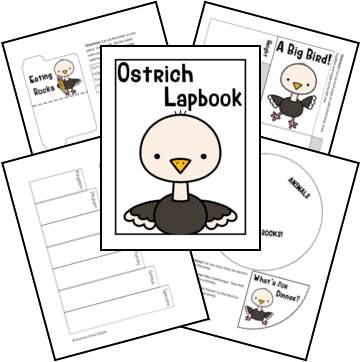
Ostrich Lapbook Printables
The following mini-books are included in this free Ostrich Lapbook:
- Ostrich Classification Layer Book
- Changing Body Temperature Flap Book
- A Big Bird Tab Book
- Amazing Ostrich Facts Feather Shapes
- I Am Speed Simple Fold
- Why Do Ostriches Have Wings? Shape Book
- Ostrich Anatomy (Ostrich Diagram) Book
- True of False Tri-folds
- Ostrich Diet Circle Book
- Ostrich Talk
- Eating Rocks File Folder
- Ostrich Names
- Ostrich Relatives
- Life Outside the Egg Tri-fold
- Where Do Ostriches Live? Map
- Ostrich Egg Facts (Egg Matchbooks & Cover)
How to Get Started with Your Ostrich Lapbook
Follow these simple instructions to get started with the Ostrich Lapbook.
- If you want, go to your local library and check out books about ostriches.
- Print the Ostrich Lapbook.
- Choose and prepare the mini-books you want to use with your student.
- Enjoy a week of reading and learning all about the world’s largest bird, the ostrich!
Download Your Ostrich Lapbook
Simply click on the image below to access your free Ostrich Lapbook.
Explore Our Other African Animal Resources
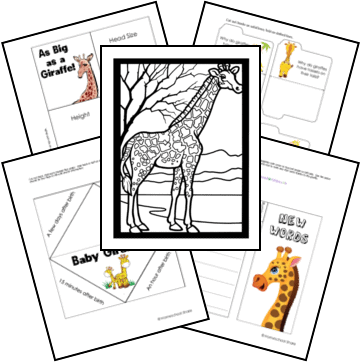
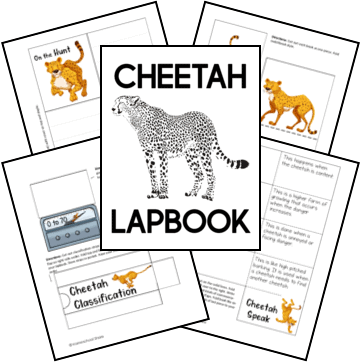
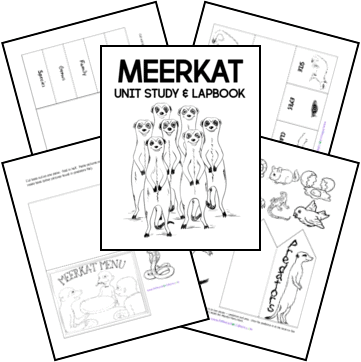
Does your student love animals? Grab another animal lapbook and explore Africa!