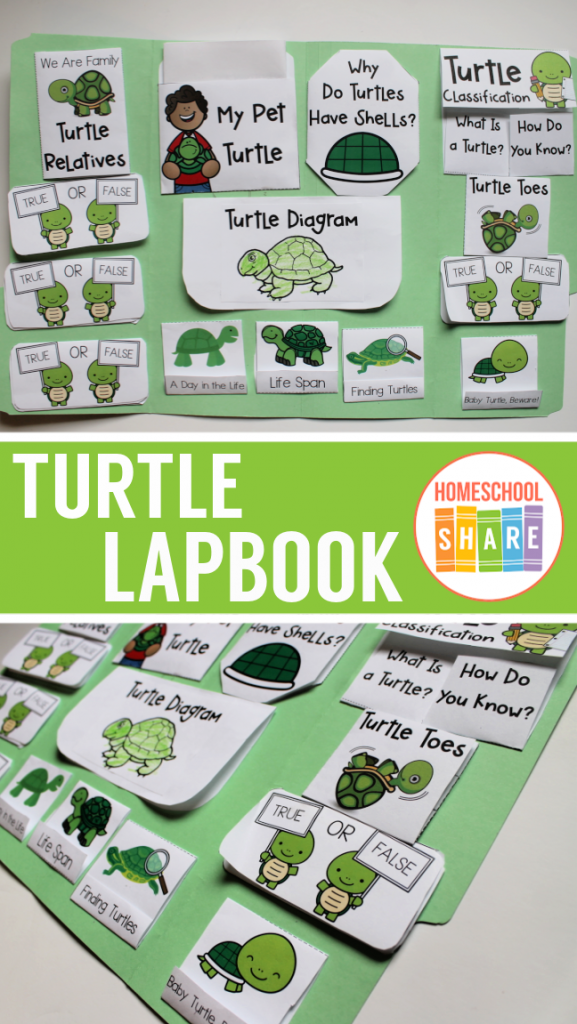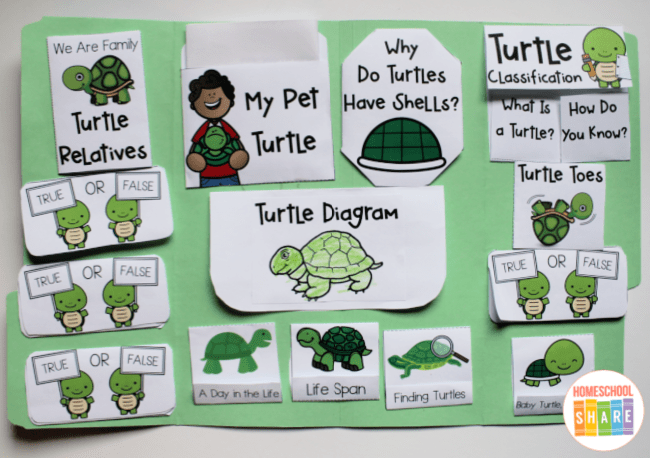
What is a Turtle? (mammal, reptile, bird, fish,
or amphibian)
Turtles are reptiles. Some characteristics they have in common with other
reptiles include-- they have scales on their shells, they can breathe air, they
have claws on their toes, and they lay eggs. They are also ectothermic;
they cannot regulate their own body temperatures
from within; they are cold-blooded.
They warm themselves by moving to a sunlit spot. They cool themselves by finding
shade or getting into water.
What is a Turtle?
Classification Kingdom Animalia
phylum Chordata
class Reptilia
order Testudines Classification
Accordion
Vocabulary Words
hatchling
= a baby turtle or animal that hatches from an egg
tortoise
= turtle that lives on land egg
tooth
= baby turtles (hatchlings) have an sharp tooth which they use to open the soft
shell of their egg as they come out
ectotherm
= an animal that relies on its environment to warm and cool their body, (turtles
move to the sun to warm up and find shade to cool down)
carapace
= the top part of the turtle shell
plastron
= the underside of the turtle shell
scutes = scales over both shells, made of keratin
keratin = a sulfur-containing protein that makes up hair and
nails (such as fingernails)
hibernation = to pass the winter in a sleeping or resting state
Vocabulary Shell Shapes
Anatomy
Turtle Toes Freshwater turtles have separate toes and claws, often with webbing between
them which helps them swim. Webbing (also known as webbed feet) is when a
foot has skin between the toes. The claws on
freshwater turtles can be used for climbing on riverbanks and logs for
sunbathing. Most turtles have five claws on each foot. Webbed Feet
Flap (1 student) Webbed Feet Flap (2
students)
Turtle Senses ~Turtles do not have ears on the outside of their heads like we do; this
would slow them down while underwater. Instead, they have an inner eardrum which
picks up sounds and vibrations from the ground and water. ~Turtles have excellent eyesight, they can detect even the
slightest movement movement in distant objects. Often they will see you before
you see them.
~Turtles have a great sense of smell, too.
How Does a Turtle Eat?
Turtles don't have teeth, but they do have
sharp edges along their inner jaws
cut and tear their food.
Shells Why does the turtle have a shell?
1)the shell protects
the turtle from the sun
2)the colors on the shell provide
camouflage to protect them from their predators
3)the shell
provides a place for the turtle to withdraw in times of
danger. Turtle Shell
Trifold
The upper shell is called the carapace, the lower shell is called the
plastron, and the section of the shell joining the upper and
lower halves is known as the bridge.
Do you know what a turtle’s shell is made out of? BONE! On
top of that bone is a layer of horny scales called scutes.
These scutes are made of keratin, which is the same material
that is in your fingernails. Diagram Minit Book
Eggs and Nesting All turtles lay their eggs on land, They dig a hole (nest) and
bury all their eggs. Then, they cover the eggs with sand and leave. Baby
turtles are left to fend for themselves and to keep safe
from predators
which include raccoons, opossums, foxes, birds, snakes,
skunks, and
humans.
Beware Baby Turtle Matchbook
Types of Freshwater Turtles Fun with Nature does an excellent job giving you basic information
about various kinds of freshwater turtles. It includes
information for the following:
Snapping Turtle-
Snapping Turtle Printout
Alligator Snapping Turtle
Western Painted Turtle -
Painted Turtle Printout
Wood Turtle
Spiny Softshell Turtle
Box Turtle
Map Turtle
Blanding's Turtle
The book will give you a description of the turtle as well
as where to find it and what it eats. Let your student
choose a turtle (or two) from this book to read about and
report on. Turtle
Shape Report Book
A Day in the Life of a Turtle What do turtles do all day? They spend time in the water as well as
time basking (and napping) in the sun while lying on a log,
rock, or shore. They also spend their days finding
food (varies from turtle to turtle, but usually includes
plants and small animals).
A Day in the Life
Matchbook
Long Life Turtles have long lives. Freshwater turtles
may live to be 40 years old. Sea turtles live to be 80 years
or more. Tortoises can live up to 150 years old!Lifetime Matchbook
We're Related! Your older student will have to read some books about the turtle family in
order to
complete this book.
All Over the World Turtles live on every continent except Antarctica;
Antarctica is too cold for a turtle!
All Over the
World Matchbook
Turtle Observations If you have the opportunity, go to a pond or pet store and let your student
spend some time observing turtles. Complete the Turtle Tracking Fan.
Creative Writing and Copywork Ideas Use the Turtle Stationary (HWT
or primary lines)
to write an original turtle story or to copy one of the
following poems. Store your finished work in the
pocket provided
or use a
blank pocket and write your own title.
The Little
Turtle by Vachel Lindsay
There was a little
turtle.
He lived in a box.
He swam in a puddle.
He climbed on the rocks.
He snapped at a mosquito.
He snapped at a flea.
He snapped at a minnow.
And he snapped at me.
He caught the mosquito.
He caught the flea.
He caught the minnow.
But he didn't catch me.
The Turtle
Jack Prelutsky
The turtle's always been inclined
to live within his shell.
But why he cares to be confined,
the turtle does not tell.
The turtle's always satisfied
to slowly creep and crawl,
and never wanders far outside
his living room or hall.
So if you wish to visit him
in his domestic dome,
just knock politely on his shell,
you'll find the turtle home.
True and False Answers Turtles take good care of their eggs and babies. False. Female turtles leave
their eggs unattended; the babies are left to fend for themselves.
Turtles don't have teeth. True. Turtles may not have teeth, but they do
have sharp edges along their
inner jaws cut and tear their food.
A
Snapping turtle would make a fun pet. False. Snapping turtles can hurt you!
Turtles don't have ears. True. Turtles do not have ears on the outside of their
heads like we do; this would slow them down while underwater. Instead, they have an inner eardrum which picks up sounds and
vibrations from the ground and water.
Library List Fun with Nature by Mel Boring (includes large section on Freshwater
Turtles)
Note; If you can't locate Fun With Nature, see if your library has
Frogs, Toads, and Turtles by Diane Burns; it is a small book that is part
of Fun With Nature. All About Turtles by Jim Arnosky Look Out for Turtles by Melvin Burger (contains evolutionary references) Box Turtle at Long Pond by Wililam T. George