Affiliate Disclaimer
We sometimes use affiliate links in our content. This won’t cost you anything, but it helps us to keep the site running. Thanks for your support.
Have you ever watched a dolphin? We live close to a zoo that has a dolphin show, and it’s my favorite part of zoo day. Dolphins are intelligent, friendly, and playful. It’s no wonder this Dolphin Lapbook is a favorite among students.
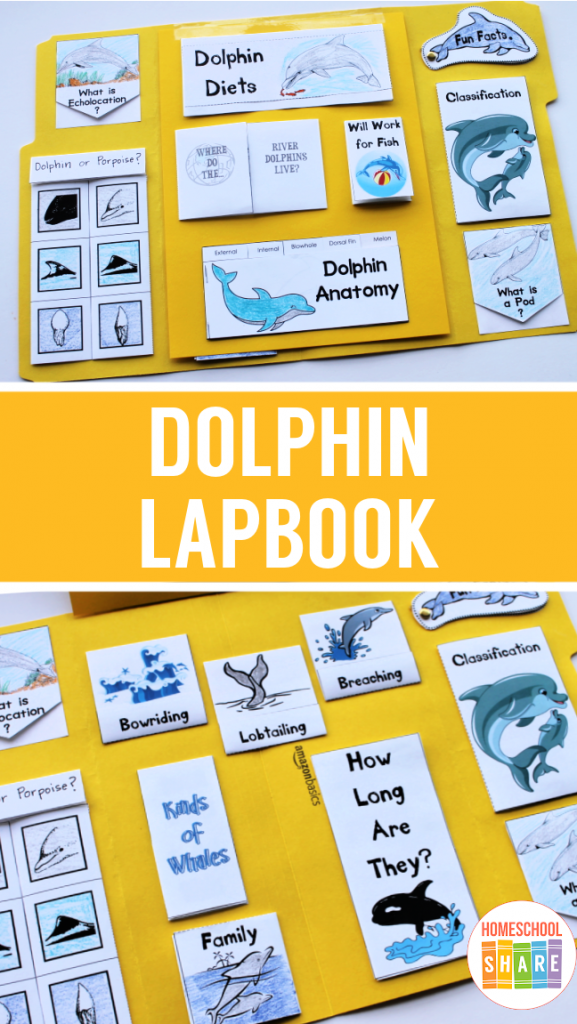
Dolphin Lapbook Lessons
Here are some sample lessons from the Dolphins Lapbook:
Are Dolphins Whales?
There are two kinds of whales, the toothed whale and the baleen whale. Dolphins, belugas, and sperm whales are all toothed whales. Toothed whales have sharp teeth, which they use to hunt and eat sea lions, fish, and even other dolphins and whales. Toothed whales also use echolocation; they emit high-pitched clicks and sense them as they bounce back off objects.
Baleen whales do not have teeth, but instead have fringed plates that hang down from the roof of their mouth. Baleen whales eat tiny plants and animals, called plankton, which they trap with their baleen. Baleen whales include the blue, finback, gray, and bowhead whales.
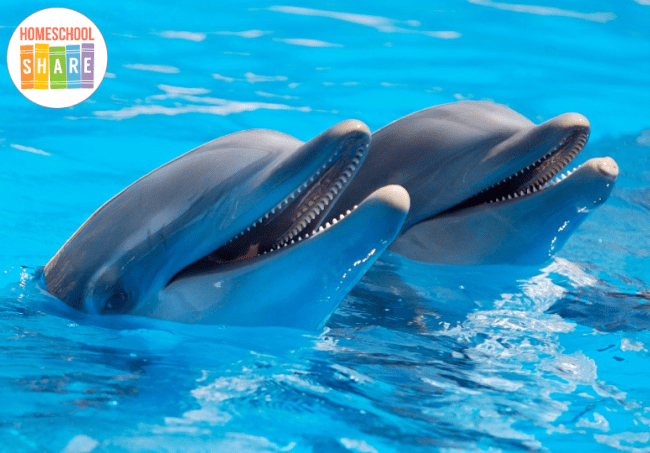
Dolphin Behaviors
Dolphins seem to be fun-loving animals. Here are some behaviors that they exhibit:
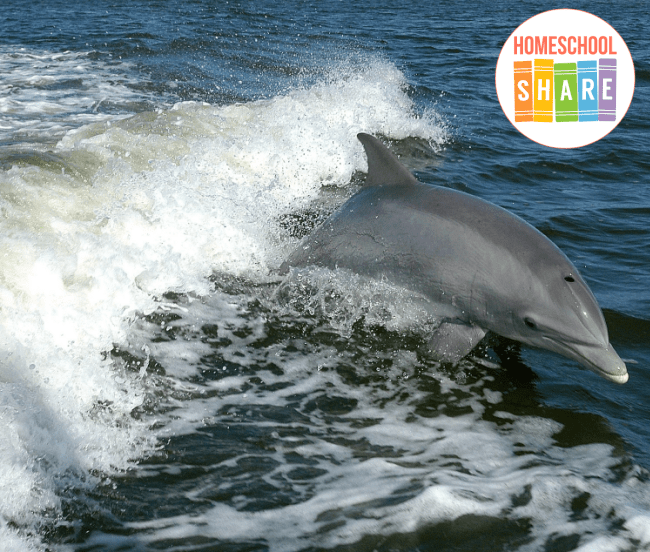
Bowriding
Many dolphin species are also known for playing in the water. One of the many ways they play is by riding waves. This behavior is known as bow-riding.
Breaching
Dolphins can breach (jump) high out of the water like acrobats! They slap the water as they come back down. Sometimes, they will even give a twirl before hitting the water. Scientists don’t know for certain, but breaching may be just a fun way for dolphins to play or it may have a social meaning or be used to loosen skin parasites.
Lobtailing
Lobtailing is when a dolphin sticks its tail out of the water into the air, swings it around, and then slaps it on the water’s surface. It makes a very loud sound and may be done as a warning signal for the pod.
To access all of the lessons in this Dolphins Lapbook, subscribe to Homeschool Share’s email list using the form in this post.
Dolphin Lapbook Printables
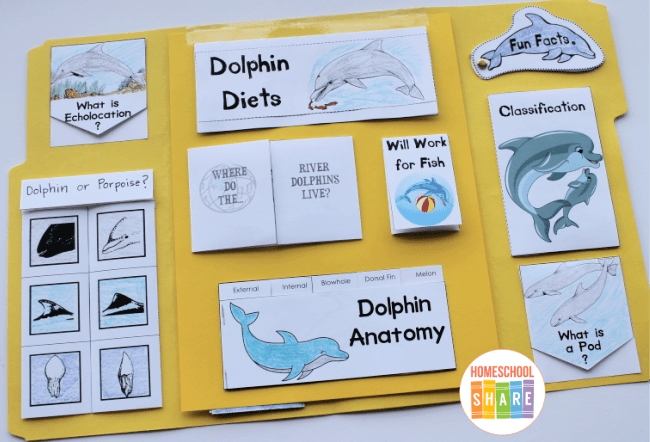
In addition to the research lessons, the file includes these mini-books for your student to create a Dolphins Lapbook:
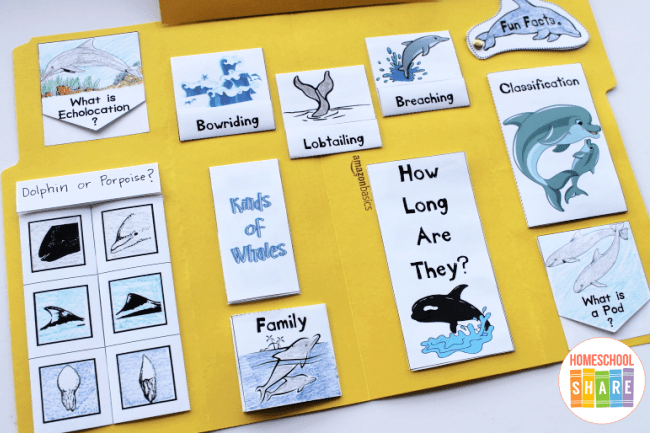
- Dolphin Behavior Matchbooks
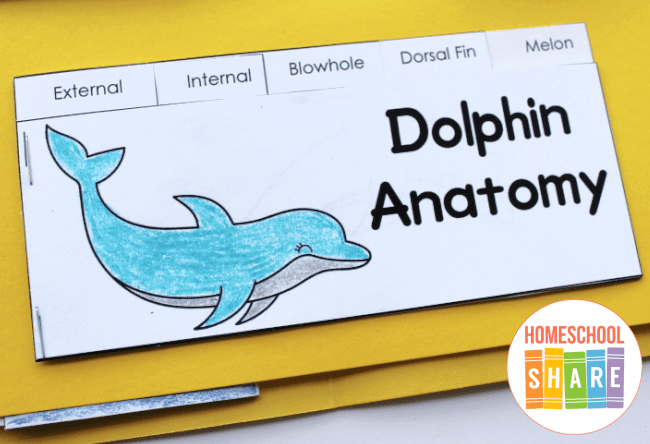
- Dolphin Anatomy Tab Book
- Echolocation Simple Fold Book
- What Is a Pod? Simple Fold Book
- Fun Facts Dolphin Shapes
- Book Log Pocket & Cards
- Kinds of Whales Flap Book
- Dolphin vs. Porpoise Shutter Book
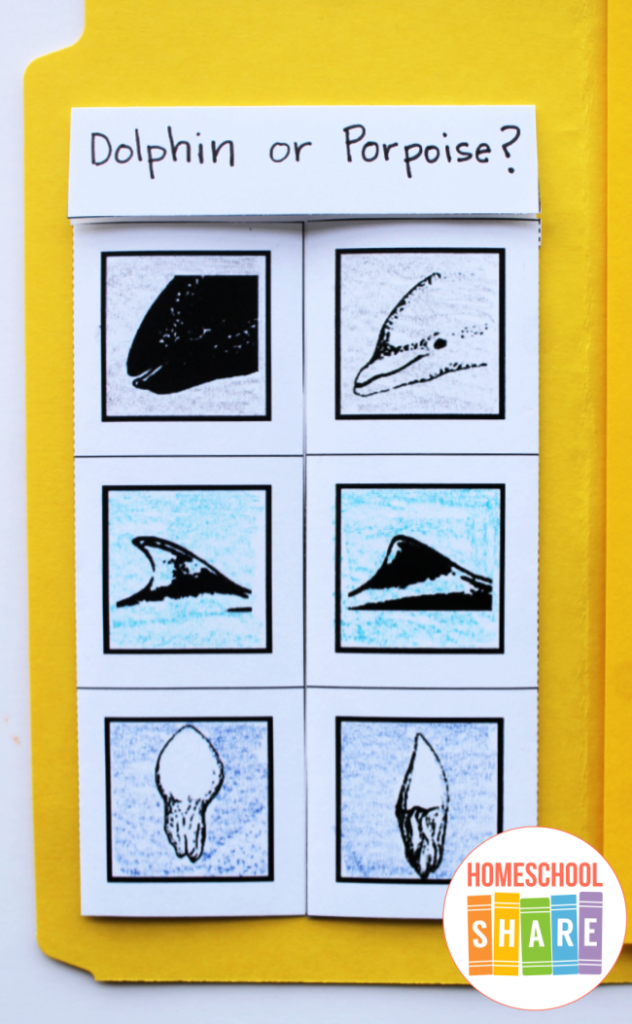
- Dolphins Are Mammals Tri-fold Book
- Dolphin Family Names Mini-book
- Dolphin Classification Flap Book
- And more!
Lapbook Example
This lapbook was made with one file folder and a piece of cardstock taped to the middle for a center extension. If you are new to lapbooking, try this How to Make a Lapbook post.
How to Get Started with Your Dolphin Lapbook
Follow these simple instructions to get started with the Dolphins Lapbook.
- If you want, go to your local library and check out books about dolphins (and whales).
- Print the Dolphins Lapbook.
- Choose and prepare the mini-books you want to use with your student.
- Enjoy a week of reading and learning all about dolphins.
Download Your Free Dolphins Lapbook
Use the form below to subscribe to the newsletter. Once you confirm, you’ll receive an email with the link to the lapbook. If you are already confirmed, simply enter your name and email address below, and you will receive an email with the link.
Explore More Animal Lapbooks
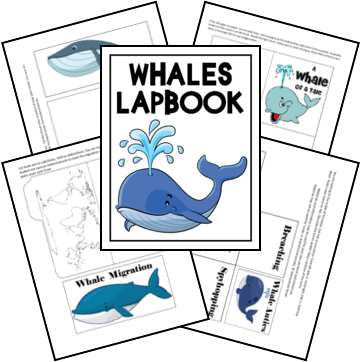
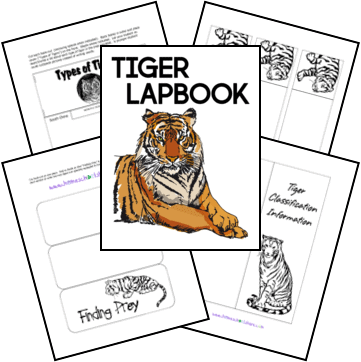
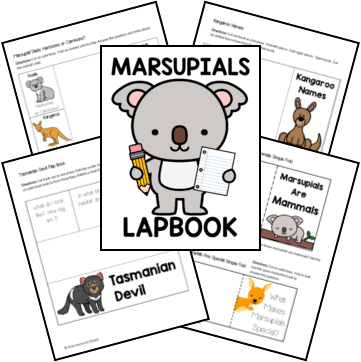
Jump in and learn even more with another animal lapbook.