Affiliate Disclaimer
We sometimes use affiliate links in our content. This won’t cost you anything, but it helps us to keep the site running. Thanks for your support.
This simple story of is the foundation for gobs of great lessons for your preschool or kindergarten student. Since The Very Busy Spider is set on the farm, you can use it to learn more about farm animals. You can also review a nursery rhyme, read some poems, sing a song, and learn more about spiders and webs. Grab our free The Very Busy Spider activities and get started!
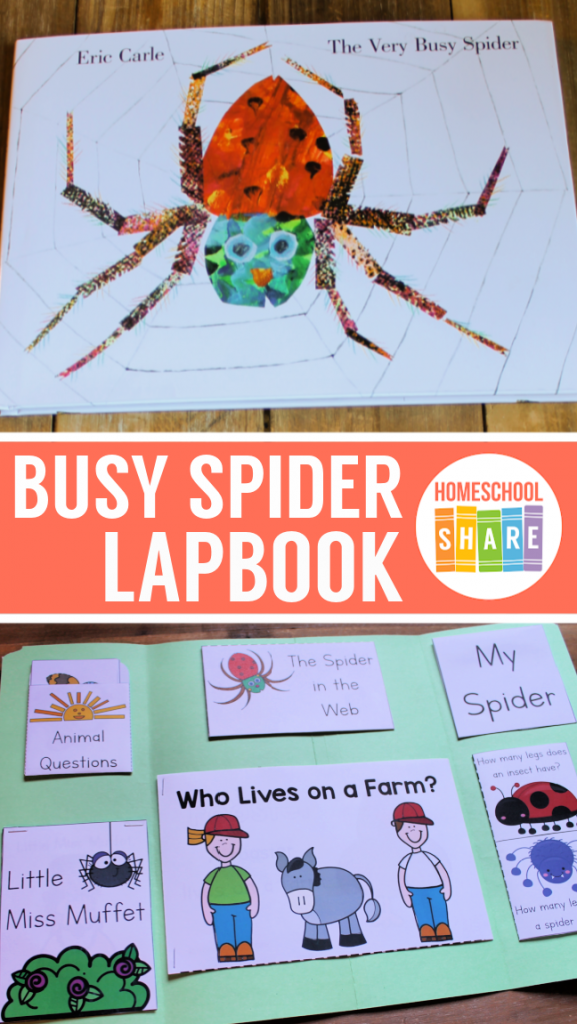
The Very Busy Spider Story Summary
Early one morning a little spider spins her web on a fence post. One by one, the animals of the nearby farm try to distract her, yet the busy little spider keeps diligently at her work. When she is done, she is able to show everyone that not only is her creation quite beautiful, it is also quite useful!
The Very Busy Spider from amazon.com
The Very Busy Spider Activities and Lessons
Your preschool or kindergarten student will love reading the story and diving into these fun lessons and activities based on Eric Carle’s book.
Pre-Reading: Hide and Seek with the Fly
Have your young student find the fly on each two page spread of The Very Busy Spider.
Nursery Rhyme and Drama
Little Miss Muffet
Sat on her tuffet,
Eating her curds and whey;
Along came a spider,
Who sat down beside her,
And frightened Miss Muffet away.
This is a fun nursery rhyme to act out; you can take turns being Miss Muffet and the spider. You can even use some small props like a plastic bowl, plastic spoon, toy spider, bow in the hair (for Miss Muffet). When the spider frightens Miss Muffet, she can throw her bowl and spoon up in the air!
Language Arts: Reading Comprehension
Use the animals in the book for a memory game with your young child (after you read, see how many animals he can remember; this will develop reading comprehension skills).
Language Arts: Poetry
In Eric Carle’s book of poems, Animals, Animals, you will find some poems that go along with the animals in this book:
Horse pg. 74-75
Cow pg. 21
Pig pg. 50
Rooster pg. 52-53, 84
Owl pg. 46
Science: Farm Animals
Many farm animals are mentioned in this book. Which animals in the story live on a farm? Which animals do not live on a farm?
You may want to check out some books from the library about farm animals or just focus on one farm animal.
Spider Webs & Spider Diets
Spiders spin silky webs where other insects get stuck. Why don’t spiders get stuck? They tip-toe around on their web! To demonstrate this for your child, create a simple web on the floor with masking tape (tape side down–it won’t be sticky). Pretend to be spiders by tip-toeing around on the web.
You could make some flies and let your child stick them to the web mentioned above. Now, let your “spiders” tip-toe around on the web and eat those flies! (Spiders eat flies, mosquitoes, and other small insects.)
Spiders don’t chew their food. Once an insect gets stuck in the web, the spider shoots poison into it. The poison turns the bug into liquid, and the spider drinks her meal.
Here is a little song that will also reinforce what your child has learned about what spiders eat.
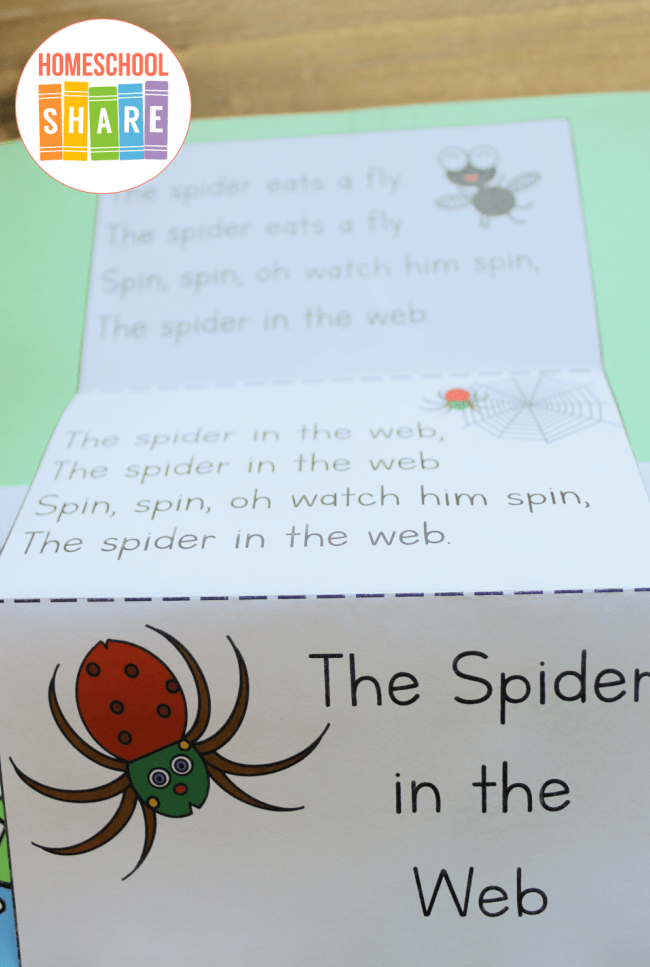
The Spider in the Web
Sung to: “Farmer in the Dell”
The spider in the web,
The spider in the web
Spin, spin, oh watch him spin,
The spider in the web.
The spider eats a (bug name)
The spider eats a _________.
Spin, spin, oh watch him spin,
The spider in the web.
Another idea to reinforce the silky web is to search for silky textures in your home. Note the tactile web in The Very Busy Spider.
Spider Anatomy
Spiders have two body parts (head and abdomen) and eight legs. This is different than an insect. Insects have three body parts (head, thorax, and abdomen) and six legs.
The The Very Busy Spider unit study also includes ideas for a craft, a snack, and a spider web activity.
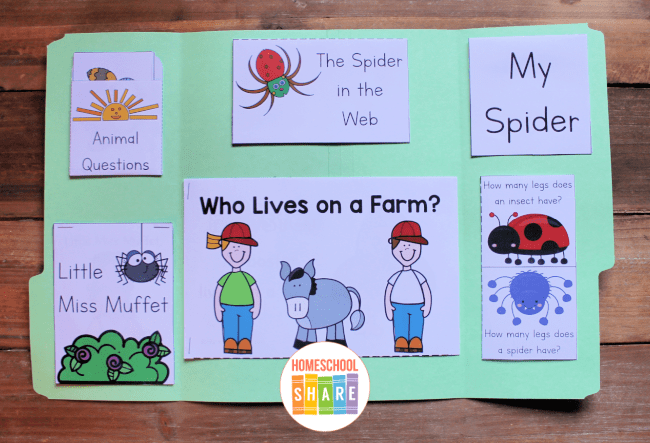
The Very Busy Spider Printable Lapbook
In addition to the lessons above, The Very Busy Spider unit study download also includes these lapbook printables:
- Little Miss Muffet Mini-book
- Animal Questions and Pocket
Use for a memory game or for story sequencing. - The Spider in the Web Accordion
- Insect Legs vs. Spider Legs Flap Book
- Who Lives on a Farm? Mini-book
- My Spider Art Book
The Very Busy Spider Lapbook Example
Here is a lapbook sample for this unit study. It was made with one file folder. If you are new to lapbooking, you can read through our How to Make a Lapbook Guide.
How to Get Started with The Very Busy Spider Activities
Follow these simple instructions to get started with the The Very Busy Spider activities, lessons, and lapbook printables:
- Buy a copy of the book, The Very Busy Spider, or borrow one from your local library.
- Choose the pages you want. There is a black and white version as well as a color version. Print the The Very Busy Spider unit study.
- Choose the lessons you want to use with your student (a highlighter works great for this).
- Choose and prepare the The Very Busy Spider lapbook printables you want to use with your student.
- Enjoy a week of hands-on learning with your student.
Download the Free The Very Busy Spider Activities & Printables
Use the form below to subscribe to the newsletter. Once you confirm, you’ll receive an email with the link to the printable activities and lapbook. If you are already confirmed, simply enter your name and email address below, and you will receive an email with the link.
More Eric Carle Insect Activities & Printables
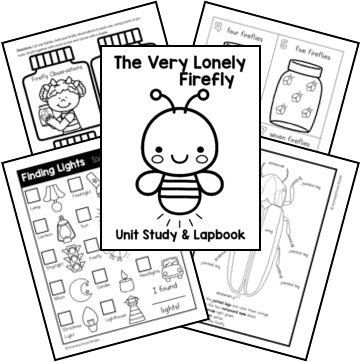
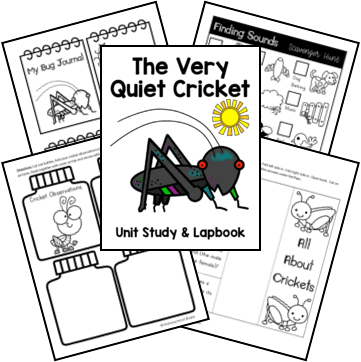
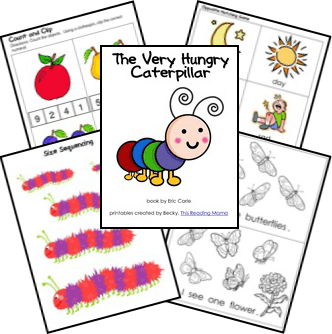
Spiders aren’t insects, but The Very Busy Spider unit study does discuss the difference between spiders and insects. If your student seems interested, and if you love Eric Carle books, check out these other resources.
Unit Study & Printables