Affiliate Disclaimer
We sometimes use affiliate links in our content. This won’t cost you anything, but it helps us to keep the site running. Thanks for your support.
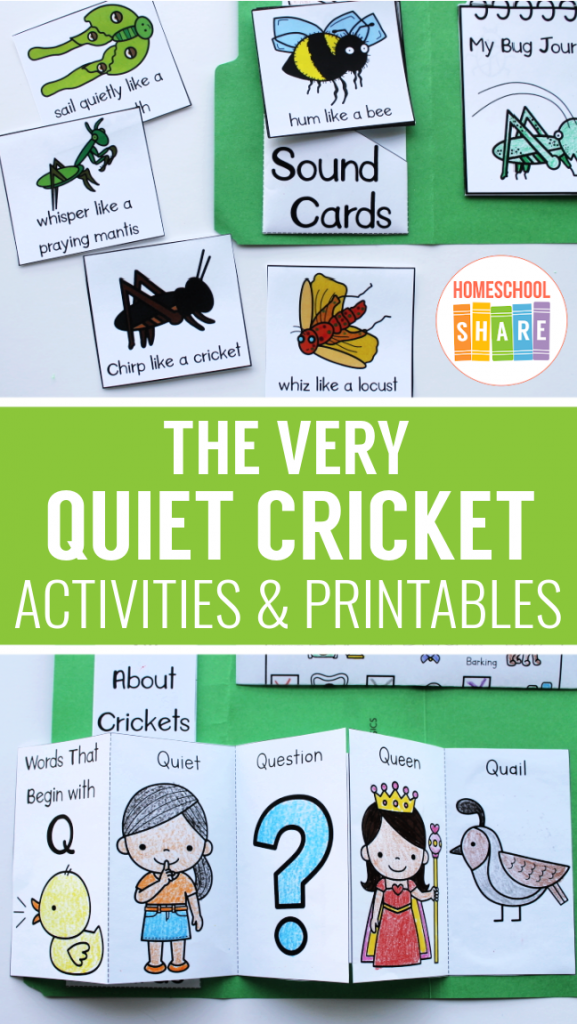
Eric Carle has crafted another masterpiece with this book about a quiet cricket. It serves as the base for lessons about sound, insects, measurement, the letter Q, and so much more! So grab your free The Very Quiet Cricket activities and printables and get started!
The Very Quiet Cricket Book Summary
One day a tiny cricket is born and meets a big cricket who chirps his welcome. The tiny cricket tries to respond, but there is no sound. The quiet cricket then makes his way into the world, meeting one insect after another, each of whom greets the little cricket with a cheery hello–the hum of a bee, the whirr of a dragonfly, the whisper of a praying mantis. The cricket rubs his wings together each time, but nothing happens, not a sound. Until the day he meets another cricket, a female, and something different happens . . .
from The Very Quiet Cricket on amazon.com
Lesson Activities from The Very Quiet Cricket Unit Study
Here are a few of the sample activities from the The Very Quiet Cricket lessons you’ll find in the download.
Science Activities
Sounds
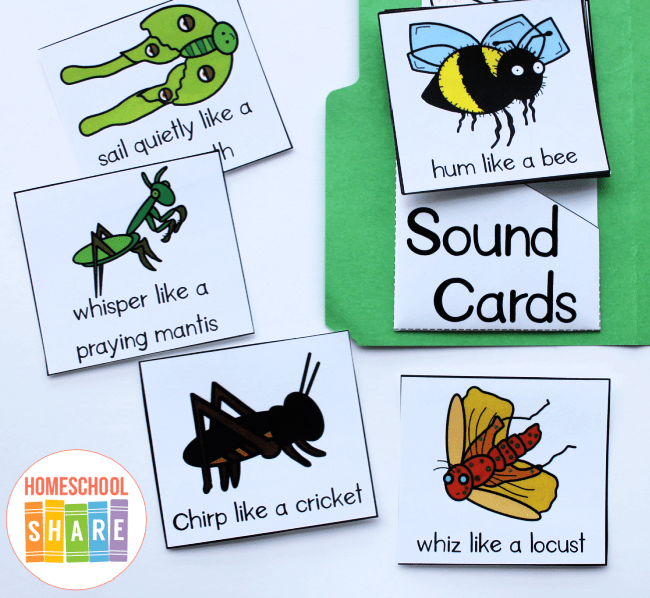
This book is a great springboard for a discussion of sounds. Read it again and discuss the sounds that various insects make. (The locust whizzes through the air. The worm crunches. The spittlebug bubbles.) What does the cricket do? (He rubs his wings together, but he doesn’t make a sound.) Have fun acting out the insect sounds with our printable sound cards.
Go outside and observe the sounds around you. When you return to your house, observe the sounds around you. What does your student notice?
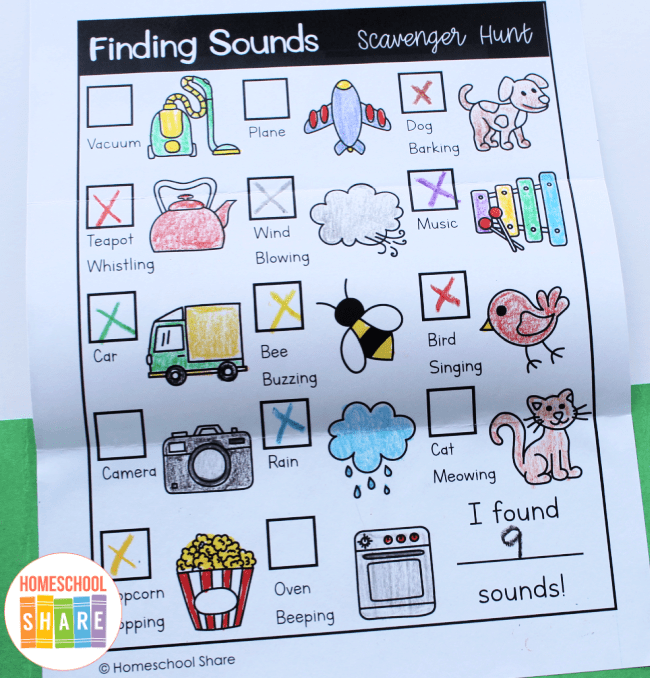
If desired, give your student the sound scavenger hunt printable, and encourage your student to track the sounds heard throughout the week. At the end of the week, count the total sounds heard. Your student may also enjoy this Listening Scavenger Hunt.
A fantastic go-along book for introducing your young student to sound is The Quiet Way Home.
Cricket Bug Jug
Purchase crickets from a pet store or bait and tackle shop. Prepare a terrarium in a jar including: potato halves, potting soil, pebbles or gravel, plants, and a screen or cheesecloth to cover. Add moss where babies can hide so the adults won’t eat them. Feed them bits of fruit, vegetables and dry rabbit food. Keep a small container (jar lid) filled with water in the habitat.
Language Arts and Literacy Activities
Phonics: Letter Q
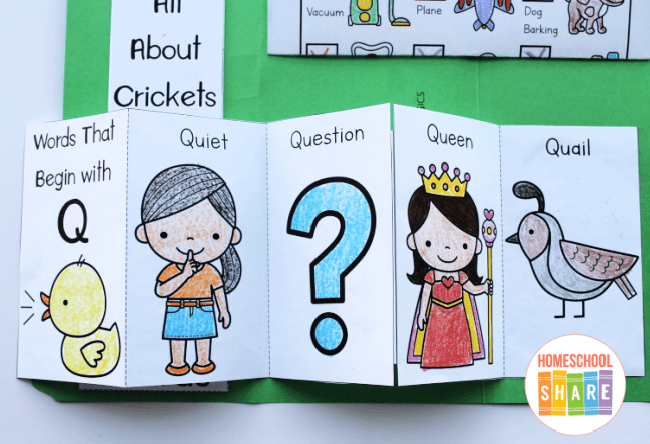
Quiet begins with the letter Q. Teach your student the letter Q this week as well as the sound it makes.
Listing and Classifying
Make a list of sounds (cricket chirping, bird singing, bee buzzing, vacuum whirring, car zooming, etc.).
After you finish making a list, sort the sounds into two groups: loud sounds and quiet sounds.
To access all of the lessons in this The Very Quiet Cricket unit study, subscribe to Homeschool Share’s email list using the form in this post.
The Very Quiet Cricket Lapbook Printables
In addition to the The Very Quiet Cricket unit study lessons, the download also includes these lapbook mini-books and other printables. You can use them to create a lapbook or a notebook.
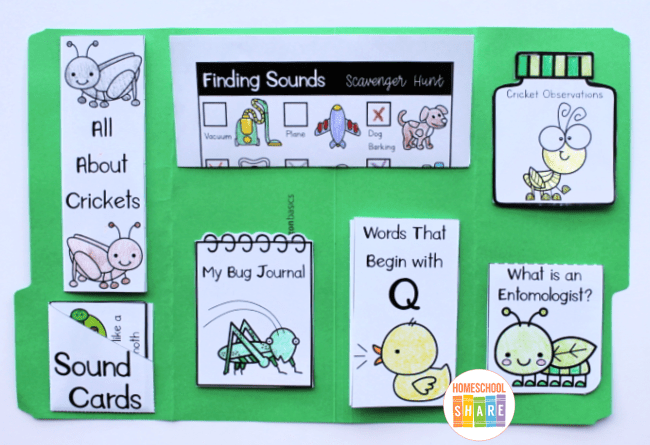
- All About Crickets Flap Book
- Finding Sounds Scavenger Hunt
- Cricket Observations Jar Shape Book
- Letter Q Accordion Book
- My Bug Journal Mini-book
- What Is an Entomologist? Simple Fold
- Insect Sound Cards & Pocket
How to Get Started with The Very Quiet Cricket Activities and Printables
Follow these simple instructions to get started with the The Very Quiet Cricket unit study and lapbook:
- Buy a copy of the book, The Very Quiet Cricket, or grab one from your local library.
- Print the The Very Quiet Cricket unit study.
- Choose the lessons you want to use with your student (a highlighter works great for this).
- Choose and prepare the printables you want to use with your student.
- Enjoy a week of book-based learning with your student.
Download Your The Very Quiet Cricket Activities and Printables
Use the form below to subscribe to the newsletter. Once you confirm, you’ll receive an email with the link to a file of the activities and printables. If you are already confirmed, simply enter your name and email address below, and you will receive an email with the link.
More Eric Carle Insect Resources
We have more resources based on Eric Carle’s insect books. Try these!
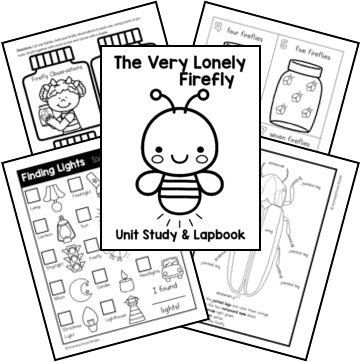
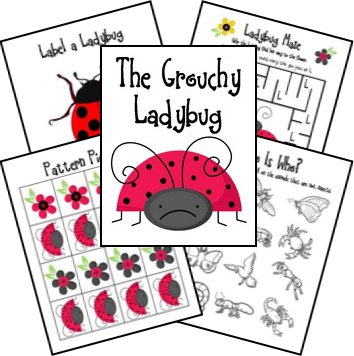
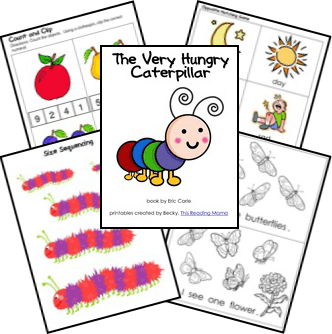
Unit Study & Printables